Frequently Asked Questions
What are some tips for hanging drywall effectively?
Effective drywall hanging tips include measuring and cutting accurately, using a drywall lift for large sheets, securing panels with screws spaced 12 to 16 inches apart, and ensuring joints are staggered for added strength.
How can I ensure my drywall is properly secured?
To ensure your drywall is properly secured, use the correct fasteners, such as screws or nails, spaced appropriately (typically 16 inches apart), and ensure they penetrate the studs. Additionally, check for any gaps and reinforce edges for a solid installation.
What techniques should I use for painting drywall in humid conditions?
The techniques for painting drywall in humid conditions include using moisture-resistant primer and paint, ensuring proper ventilation, and applying thin coats to prevent trapping moisture. Additionally, consider painting during the least humid times of the day for better results.
What tools are essential for hanging drywall?
The essential tools for hanging drywall include a drywall knife, T-square, utility knife, drywall screws, and a drill. Additionally, a drywall lift can be helpful for positioning large sheets, ensuring a smoother installation process.
How do I measure drywall accurately?
Measuring drywall accurately involves determining the length and height of the wall area to be covered. Use a tape measure to get precise dimensions, accounting for windows and doors, and always double-check your measurements before cutting.
What is the best way to cut drywall?
The best way to cut drywall is to score the surface with a utility knife along a straightedge, then snap it along the scored line. Finally, cut through the paper backing to complete the process.
How can I avoid drywall seams showing?
To avoid drywall seams showing, ensure proper installation by using tapered edges, applying joint compound evenly, and feathering the edges. Sand the seams smooth after drying and use a quality primer before painting for a seamless finish.
What is the ideal drywall thickness for walls?
The ideal drywall thickness for walls is typically 1/2 inch. This thickness provides adequate strength and insulation for most residential applications, making it suitable for standard interior walls.
How do I handle drywall corners effectively?
Handling drywall corners effectively involves using corner beads for protection and smooth finishes. Ensure accurate measurements, apply joint compound evenly, and sand between coats for a seamless look. This technique will enhance the durability and appearance of your corners.
What fasteners work best for drywall installation?
The best fasteners for drywall installation are drywall screws and nails. Drywall screws provide superior holding power and are less likely to pop out, making them the preferred choice for most projects.
How can I prevent drywall from sagging?
Preventing drywall from sagging involves ensuring proper support during installation. Use adequate framing, install drywall horizontally, and secure it with enough screws, typically 16 inches apart, to maintain stability and prevent bowing over time.
What are common mistakes when hanging drywall?
Common mistakes when hanging drywall include not using enough screws, failing to stagger joints, and neglecting to properly measure and cut sheets. These errors can lead to weak installations and visible seams, compromising the overall finish.
How do I tape drywall joints properly?
Taping drywall joints properly involves applying a layer of joint compound over the seams, placing the tape on the wet compound, and then smoothing it out with a drywall knife. Allow it to dry before applying additional coats for a seamless finish.
What is the best primer for painted drywall?
The best primer for painted drywall is a high-quality, water-based primer that offers excellent adhesion and stain-blocking properties. Look for primers specifically designed for drywall to ensure a smooth and even finish.
How can I achieve a smooth drywall finish?
Achieving a smooth drywall finish involves properly preparing the surface, using quality joint compound, and applying multiple thin coats. Sanding between coats and using a fine-grit sandpaper will enhance the final smoothness.
What paint types are suitable for drywall?
The suitable paint types for drywall include latex paint, which is water-based and easy to clean, and acrylic paint, known for its durability and vibrant colors. Both options provide excellent coverage and finish for drywall surfaces.
How do I clean drywall before painting?
Cleaning drywall before painting involves removing dust and debris. Use a damp cloth or sponge to wipe the surface, and for tougher stains, a mild soap solution can be applied. Ensure the drywall is completely dry before proceeding with paint.
What humidity levels are best for drywall work?
The best humidity levels for drywall work are between 30% and 50%. Maintaining this range helps ensure proper adhesion and drying of materials, leading to a smooth and professional finish.
How can I protect drywall from moisture damage?
Protecting drywall from moisture damage involves using moisture-resistant drywall in high-humidity areas, applying a waterproof sealant, and ensuring proper ventilation. Additionally, promptly repairing any leaks can help maintain the integrity of your drywall.
What is the drying time for drywall mud?
The drying time for drywall mud varies based on factors like temperature and humidity. Generally, it takes about 24 hours to dry completely, but thinner applications may dry faster. Always check for dryness before sanding or painting.
How do I patch small holes in drywall?
Patching small holes in drywall involves cleaning the area, applying a patching compound with a putty knife, and smoothing it out. Once dry, sand the surface and paint over it for a seamless finish.
What is the best way to texture drywall?
The best way to texture drywall is to apply a compound using a spray gun or a brush, depending on the desired finish. Techniques like knockdown, slap brush, or popcorn textures can achieve different looks, so choose one that fits your style.
How can I ensure drywall is level?
Ensuring drywall is level involves using a level tool to check each panel during installation. Start by aligning the first sheet with a level, then secure it in place, checking each subsequent sheet against the previous one for consistency.
What safety precautions should I take when hanging drywall?
The safety precautions to take when hanging drywall include wearing protective gear such as goggles, gloves, and a dust mask, ensuring proper ladder safety, and using tools correctly to prevent injuries. Always work in a well-ventilated area to avoid inhaling dust.
How do I install drywall on ceilings?
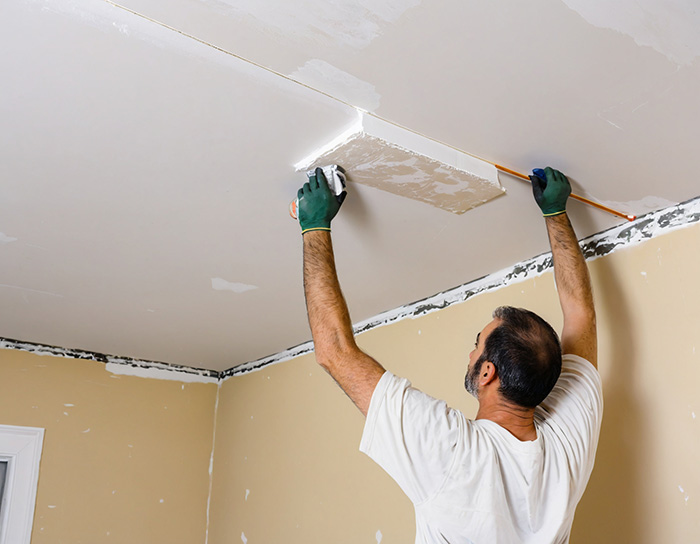
Installing drywall on ceilings involves securing drywall sheets to the ceiling joists using screws, ensuring a tight fit. Start by measuring and cutting the drywall, then lift it into place and fasten it with a drywall screw gun for a smooth finish.
What is the best way to insulate behind drywall?
The best way to insulate behind drywall is to use fiberglass batts or foam board insulation, ensuring a snug fit between studs for optimal thermal efficiency and soundproofing. Additionally, consider using vapor barriers in moisture-prone areas.
How can I fix drywall cracks effectively?
Fixing drywall cracks effectively involves cleaning the crack, applying a patching compound, and then sanding it smooth once dry. Finally, repaint the area to blend it with the surrounding wall for a seamless finish.
What are the benefits of using moisture-resistant drywall?
The benefits of using moisture-resistant drywall include enhanced durability and protection against mold and mildew, making it ideal for high-humidity areas like bathrooms and kitchens. This type of drywall helps maintain a healthier living environment while prolonging the lifespan of your walls.
How do I choose the right drywall for my project?
Choosing the right drywall for your project involves considering factors like moisture resistance, thickness, and fire ratings. For standard applications, 1/2-inch thick drywall is suitable, while moisture-resistant options are ideal for bathrooms and kitchens.
What finishing techniques enhance painted drywall?
Finishing techniques that enhance painted drywall include applying a smooth skim coat, using high-quality primer, and selecting the right paint finish, such as satin or eggshell, which adds depth and durability to the surface.