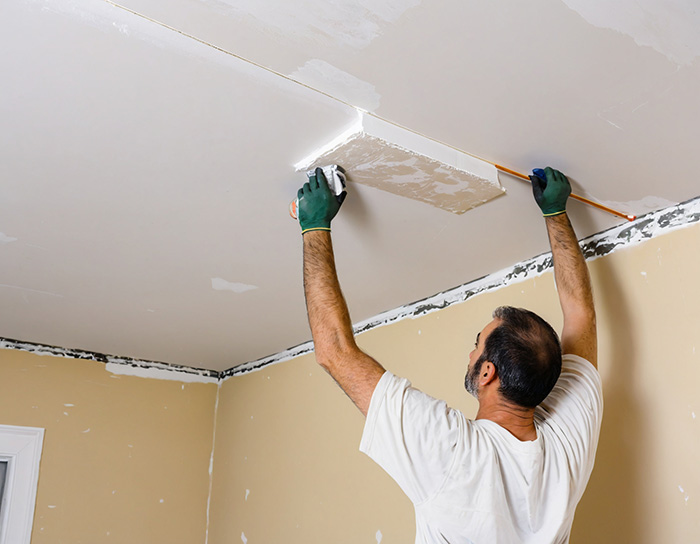
Essential Tools for Drywall Installation
To successfully complete a drywall project, having the right tools is crucial. Essential tools include a drywall saw, T-square, utility knife, and a drywall lift, which can significantly enhance efficiency and precision during installation.
In addition to these tools, consider investing in a drywall sander for a smooth finish and a taping knife for applying joint compound. Each tool plays a vital role in ensuring that your drywall is installed correctly and looks professional, making your remodeling project more rewarding.
Common Mistakes to Avoid in Drywall Projects
Drywall installation can be straightforward, but there are common pitfalls that can lead to unsatisfactory results. One major mistake is failing to properly measure and cut drywall sheets, which can result in awkward seams and increased waste.
Another frequent error is neglecting to allow for proper drying time between coats of joint compound. This can lead to cracking and uneven surfaces. By being aware of these mistakes and taking the necessary precautions, you can achieve a flawless finish in your drywall project.
Understanding Drywall Types and Their Uses
Different types of drywall are designed for specific applications, making it essential to choose the right one for your project. Standard drywall is suitable for most interior walls, while moisture-resistant drywall is ideal for bathrooms and kitchens.
Additionally, fire-rated drywall is used in areas that require enhanced fire resistance, such as garages and shared walls between units. Understanding these options ensures that your remodeling project meets safety standards and performs well in its intended environment.
Post-Installation Care and Maintenance of Drywall
Once your drywall is installed, proper care and maintenance are key to its longevity. Regular inspections for signs of moisture damage or cracks can help you address issues before they escalate.
Additionally, applying a fresh coat of paint every few years not only enhances the appearance but also provides a protective layer against wear and tear. By maintaining your drywall, you ensure that it remains a beautiful and functional part of your home for years to come.