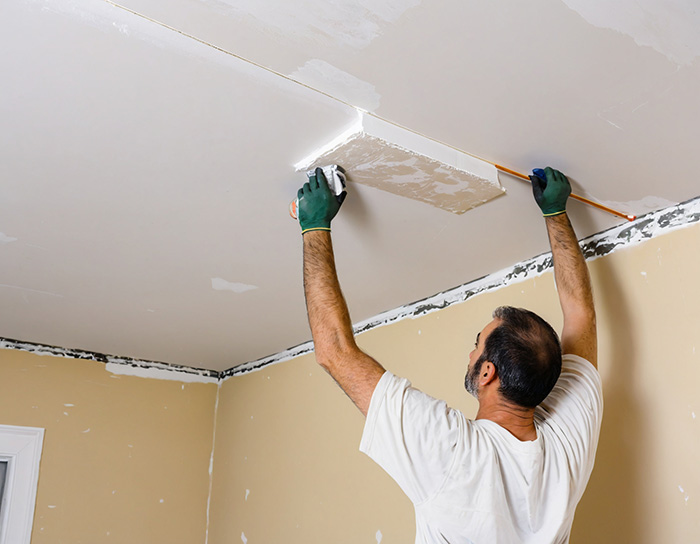
Essential Tools for Drywall Hanging
When embarking on a drywall hanging project, having the right tools is crucial for achieving a professional finish. Essential tools include a drywall lift, T-square, utility knife, and drywall screws, which facilitate efficient installation and minimize the risk of errors.
Additionally, using a drywall saw and a measuring tape will help ensure precise cuts and measurements. Investing in high-quality tools can significantly enhance the ease and quality of your drywall project, making the process smoother for DIY enthusiasts and professionals alike.
Common Mistakes to Avoid in Drywall Installation
Understanding common pitfalls in drywall installation can save time and reduce frustration. Frequent mistakes include improper measuring, failing to stagger joints, and neglecting to use enough screws, which can lead to structural issues and a subpar finish.
By being aware of these errors, homeowners can take proactive steps to avoid them, such as double-checking measurements and following best practices for joint placement. This attention to detail will result in a more durable and visually appealing drywall installation.
Finishing Techniques for Drywall
Once drywall is hung, the finishing process is essential for achieving a polished look. Techniques such as taping, mudding, and sanding are crucial steps that ensure a seamless surface ready for painting or texturing.
Applying multiple thin coats of joint compound, followed by careful sanding, will help eliminate imperfections. Homeowners should also consider using a primer before painting to enhance the final appearance, making the walls look smooth and professional.
Choosing the Right Drywall for Your Project
Selecting the appropriate type of drywall is vital for the success of any remodeling project. Options range from standard drywall for general use to moisture-resistant drywall for bathrooms and kitchens, each serving specific needs based on environmental conditions.
Furthermore, specialty drywall types, such as soundproof or fire-resistant varieties, can enhance the functionality of spaces. Understanding the unique attributes of each type will help homeowners make informed decisions that align with their project goals.