Essential Tools for Home Painting
When embarking on a home painting project, having the right tools is crucial for achieving a professional finish. Essential tools include high-quality brushes, rollers, painter's tape, drop cloths, and paint trays. Each tool serves a specific purpose, ensuring that every aspect of the painting process is covered effectively.
For instance, using a good-quality brush can make a significant difference in how paint adheres and spreads on the surface. Rollers are ideal for covering large areas quickly, while painter's tape helps achieve clean lines and protect adjacent surfaces. Investing in these tools can save time and enhance the overall quality of your painting project.
Choosing the Right Paint Finish
The finish of the paint you choose can dramatically affect the appearance and durability of your walls. Common paint finishes include flat, eggshell, satin, semi-gloss, and gloss, each offering different levels of sheen and durability. Understanding the characteristics of each finish can help you make an informed decision based on the room's function and desired aesthetic.
For example, a flat finish is great for hiding imperfections on walls, while a semi-gloss finish is more durable and easier to clean, making it suitable for kitchens and bathrooms. By selecting the appropriate finish, homeowners can enhance the beauty of their space while ensuring longevity and ease of maintenance.
Preparing Your Space for Painting
Preparation is key to a successful painting project. Before you start painting, it’s essential to prepare your space by removing furniture, covering floors, and cleaning the walls. This preparation helps prevent damage and ensures that the paint adheres properly to the surfaces.
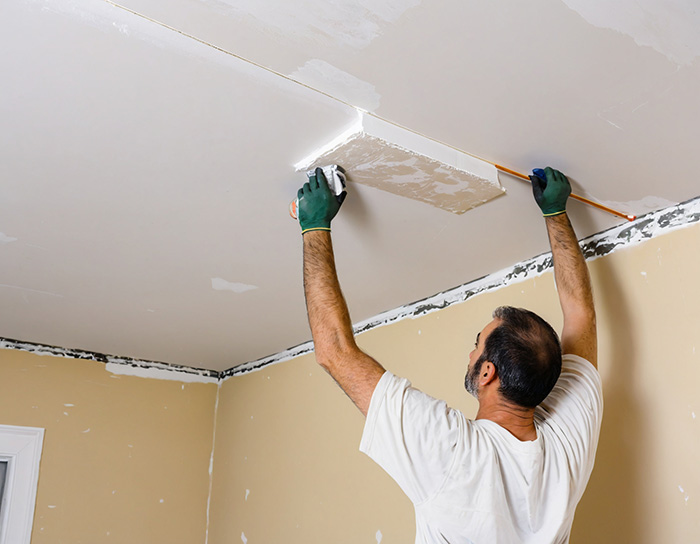
Additionally, patching any holes or imperfections in the drywall is crucial for achieving a smooth finish. Taking the time to prepare your space can significantly reduce the risk of mistakes and ensure a more enjoyable painting experience, ultimately leading to better results.
Common Painting Mistakes to Avoid
Even experienced DIYers can make mistakes during a painting project. Common pitfalls include not using primer, applying paint too thickly, and failing to properly tape edges. These mistakes can lead to unsatisfactory results and require additional time and effort to rectify.
For example, skipping primer can result in uneven color and poor adhesion, while overloading your brush or roller can cause drips and streaks. By being aware of these common errors and taking precautions, homeowners can achieve a flawless finish and enhance the overall quality of their painting projects.